


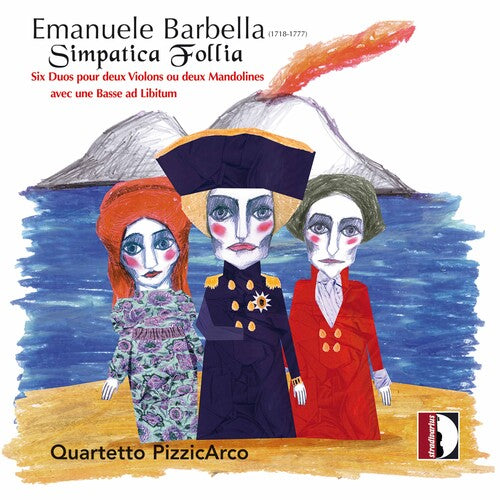
Barbella / Pizzicarco / Palmeri - Sinpatica Follia - Music CD
Barbella / Pizzicarco / Palmeri - Sinpatica Follia - Music CD
...
Fast shipping. Estimated delivery times may vary slightly during high demand.
2 Items = 5% Off, 3 or More = 10% Off
Discount applied automatically at checkout
Couldn't load pickup availability
Let customers speak for us
All good here!Luv the CD!😎

Fits great! Looks sharp! Lemmy would approve.

![Wilson Fairchild - Statler Made [CD]](https://cdn.shopify.com/s/files/1/0278/7223/1499/files/4273578-3078671_250x250.jpg?v=1770181281)
Fast shipping! It’s very well made. My granddaughter loves it & wants to wear it everywhere.

Very great condition.

This is a very good album. I hearsomeot=f the songs on the radio, but it is much better on the cd. The seller was quick in getting it out and to me. Thank You


They went above and beyond to make a gift for my boss special. I appreciate all the effort and work that went into making this happen.

always liked Don's music
![Don Williams - Epilogue: The Cellar Tapes [CD]](https://cdn.shopify.com/s/files/1/0278/7223/1499/files/418467313515_1000_250x250.webp?v=1775532931)
Love the temptations

This is a very good CD. I enjoy listing to music from the 50's 60's 70' and the 80's.

The CD is very good. I enjoy listing to music from the time I was growing up and while I was in the Air Force.
I think it is a great CD. I enjoy listing to it and others CD's from the 60's and 70'

